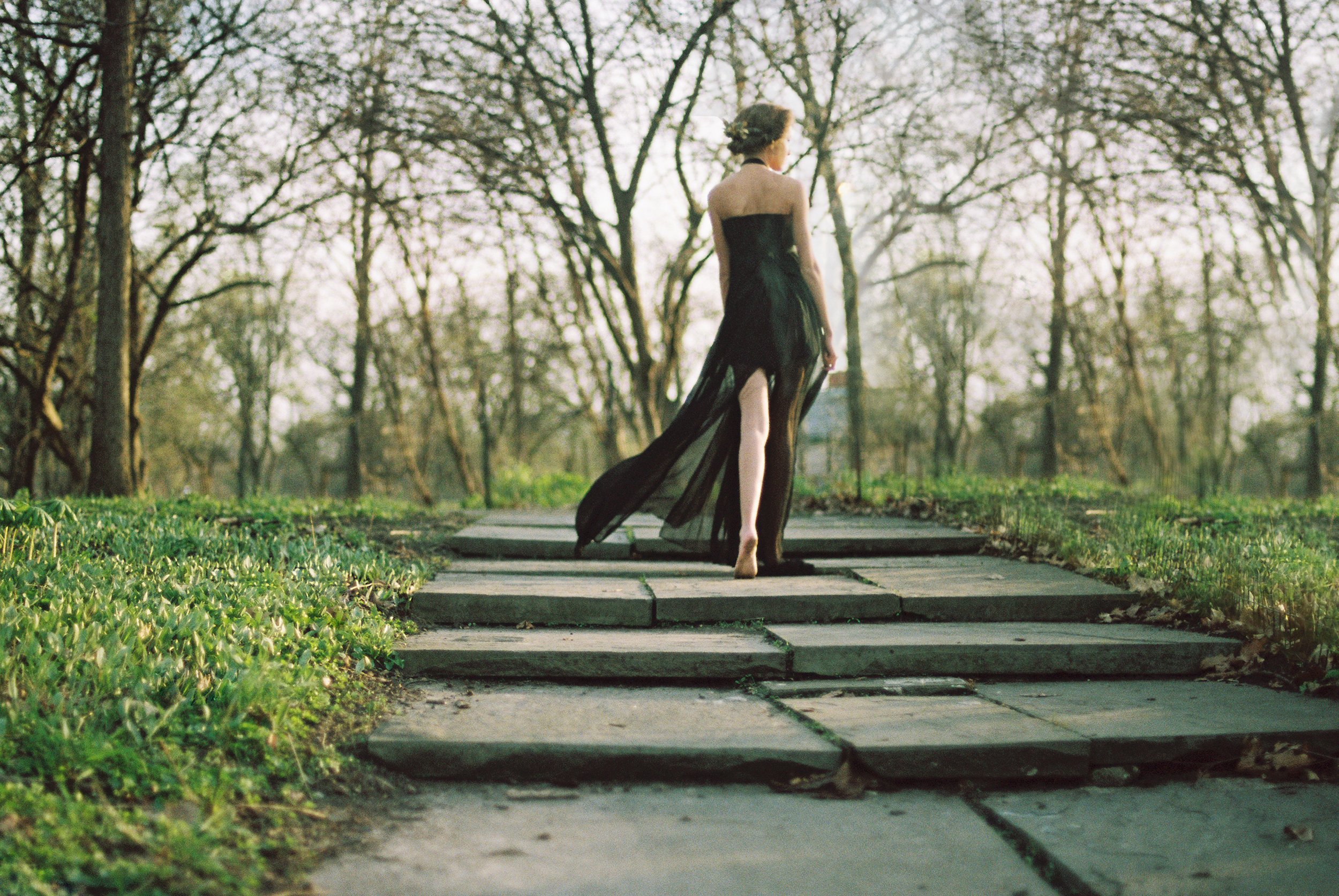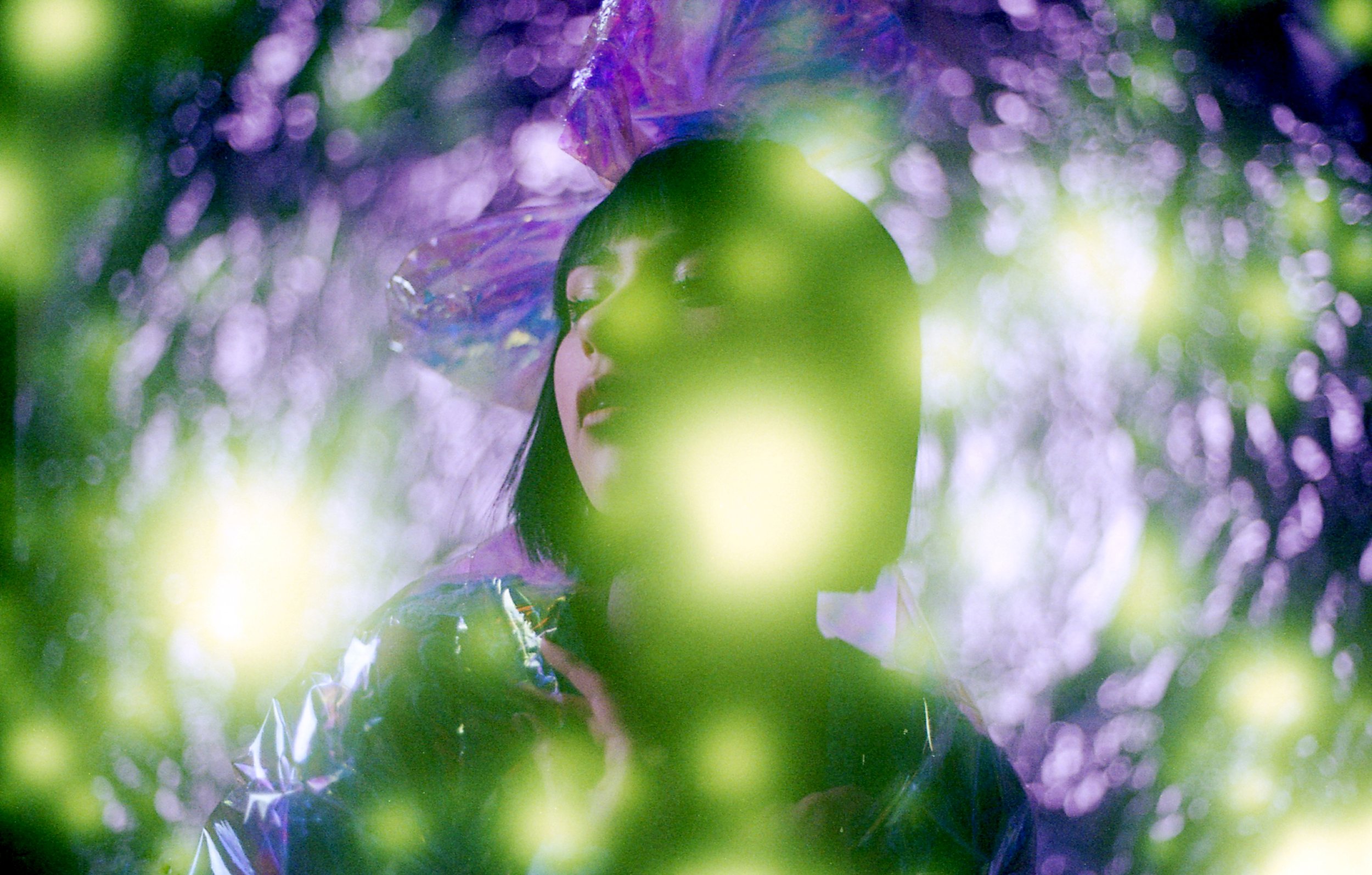
Ophelia
Cool winds roll in from the edges of the water,
Brushing against Ophelia's soft skin,
Shedding the artificial cloak of naivety.
She lives as others' vessel of morality,
With her father and brother rejecting her flaws
While feeding her fears of intimacy and carnal desire.
However, an infatuation still envelops her, clouding her vision.
As her lover, Hamlet grips her heart tightly in his palms
Playing her like a marionette and toying with her emotions.
The eyes of Hamlet hold contempt and revulsion,
Seeing Ophelia as impure as a harlot
And a deceitful and perverse lover.
Obedient and meek, a split grows within her being
Unsure if she is pure or merely tainted,
And if her love is only futile.
Wandering on the outskirts of the pond,
She carries flowers and sings of the loss of innocence
With each flower that she passes on.
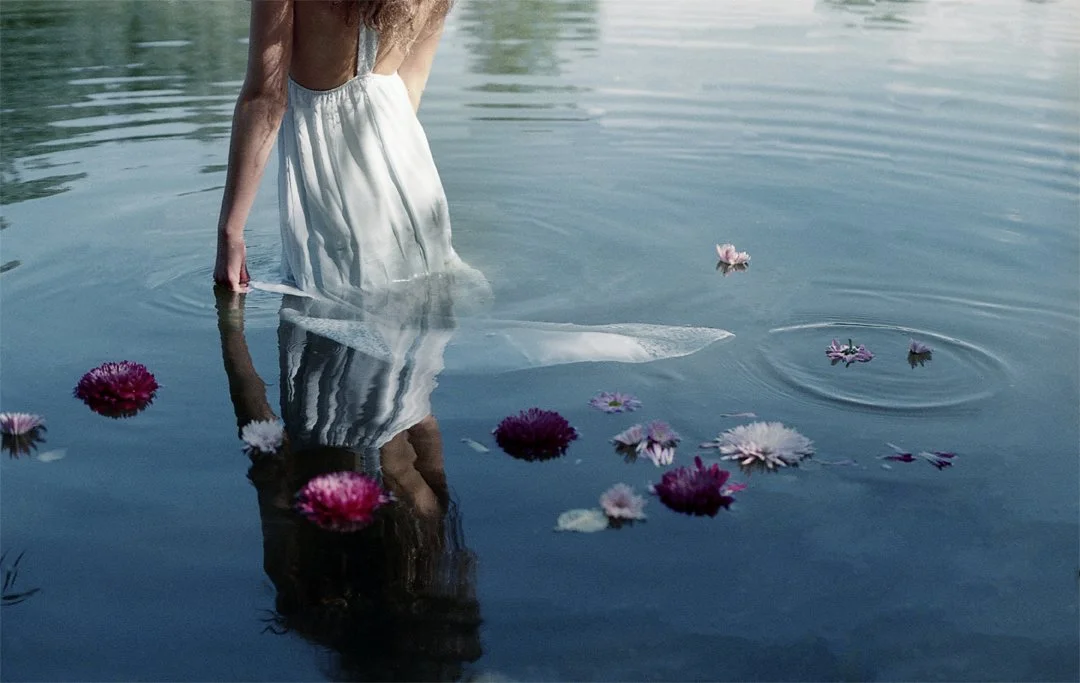
Ophelia steps into the water with delicate feet
As the waves slowly surround her.
The water rises - hugging, embracing her entire being.
Wearing the weight of eternal purity,
Her garments grow heavy
Floating softly around her body.
Peaceful, the burdens and malice fade away
Resting passively as she disappears
Calmly and quietly beneath the surface.









-
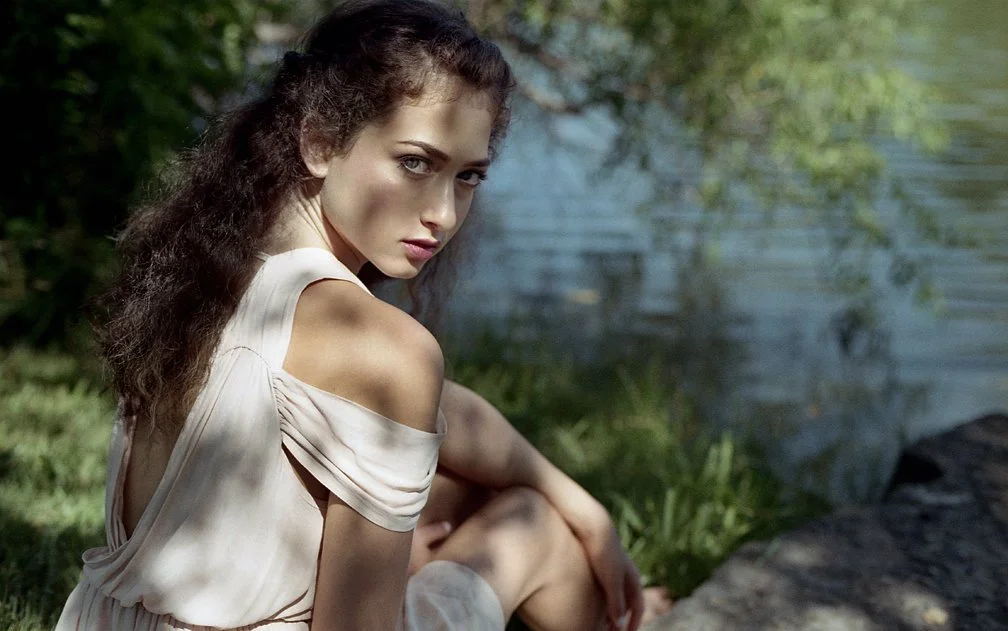
This series started with an interest in fairytales and myths, and how they get retold. Ophelia is usually shown as someone who breaks — she loses her mind, she drowns, the story ends. I wanted to shoot a version of her that's still carrying all of that weight, but isn't collapsing under it.
I shot it around water in Chicago instead of anywhere pastoral, which changes the mood right away. She's still surrounded by flowers and fabric and water, all the same symbols from the original story, but the tone is more observational. Less tragedy, more tension that hasn't been resolved yet.
The flowers floating around her reference the "deflowering" language tied to her character, but I kept the styling quiet — gold crown, gold cuff, a handmade crystal and metal piece — so it doesn't read as literal or costume-y. It's more about a woman stuck between how she's expected to appear and what she's actually holding onto internally.
-
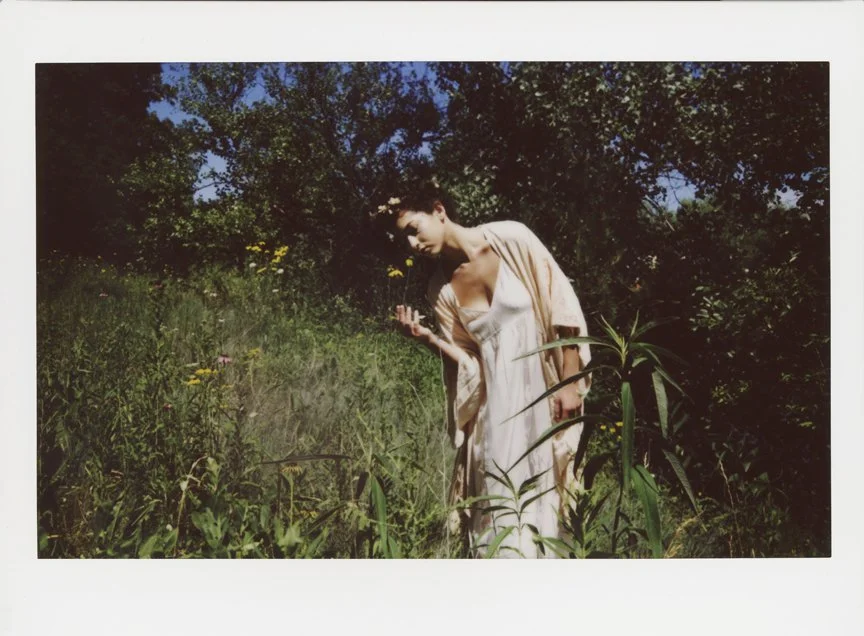
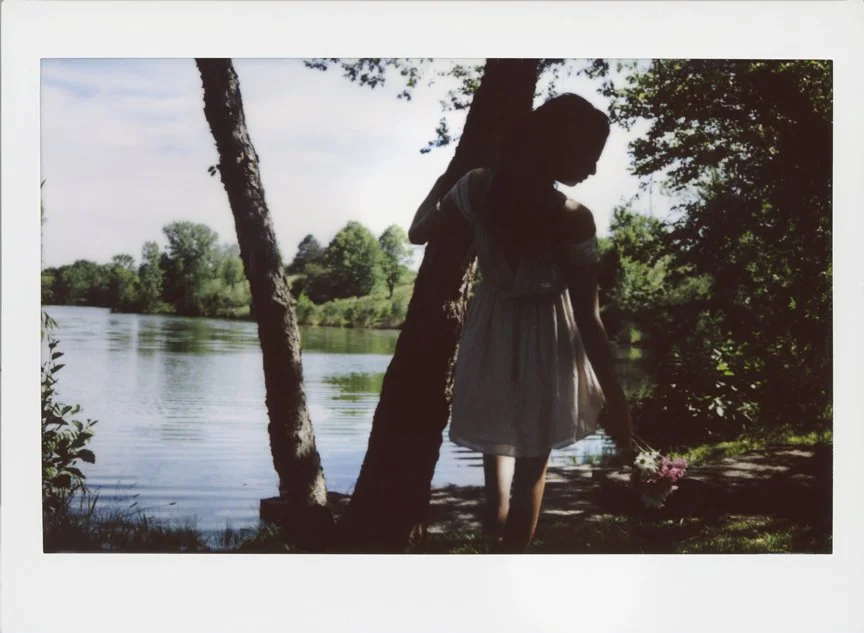
I shot this on Kodak Gold 200 and Instax Wide together, and used them for different things. Gold 200 handled the harder lighting — bright sky against dark water — and held onto detail in both the reflections and the fabric without blowing anything out. Instax Wide let me check compositions on the spot, especially with the floating petals, since those arrangements only last a few seconds before they drift or sink.
Working with water meant overexposing by about 1/3 stop to compensate for how reflective the surface gets, otherwise the highlights wash out fast. Shutter speed was the other balancing act — slow enough to let the water show some movement, fast enough to keep the fabric readable instead of turning to blur. Both films ended up doing different jobs in the same shoot: Gold 200 for the crisper, held moments, Instax for the immediate, ephemeral ones.
-
Model | Talia Jankelow
HMUA | Andie Peirce -
Ruby Star Magazine